Cornwall Schools’ Wellbeing Hub Newsletter 14th May 2026
Thursday 14th May 2026
Welcome to the Wellbeing Newsletter
As Mental Health Awareness Week comes to a close, it feels like a natural point to reflect. Across education and local authority services, mental health support often shows up in small, human ways through consistency, connection and care woven into everyday work. These moments are not always visible, but they make a real difference to how supported children, young people, families and colleagues feel.
This week has provided an opportunity to acknowledge those efforts, to pause amidst busy routines, and to share ideas, resources and approaches that can be drawn on not just this week, but throughout the year. We hope the content shared here offers something useful, encouraging or reassuring as this work continues beyond Mental Health Awareness Week.
Book of the Week
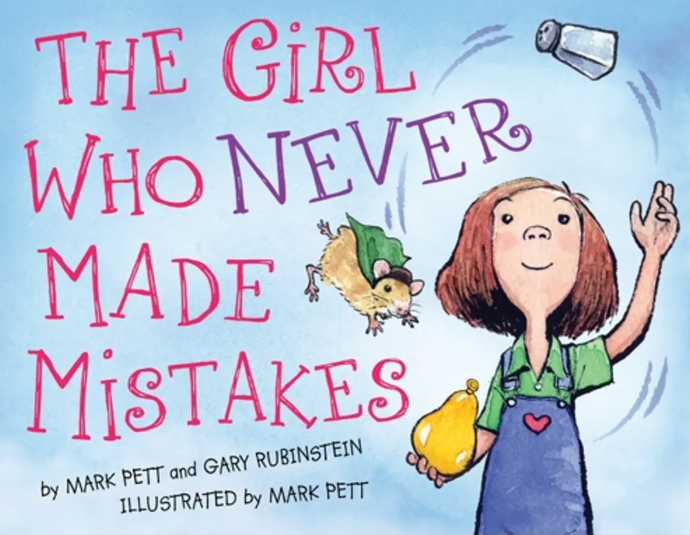
The Girl Who Never Made Mistakes
Beatrice Bottomwell has NEVER (not once!) made a mistake. She never forgets her math homework, she never wears mismatched socks, and she ALWAYS wins the yearly talent show at school. In fact, the entire town calls her The Girl Who Never Makes Mistakes! One day, the inevitable happens: Beatrice makes a huge mistake in front of everyone! But in the end, readers (and perfectionists) will realize that life is more fun when you enjoy everything--even the mistakes.
Support learners in developing resilience and a healthy attitude towards mistakes with this engaging storybook, ideal for classroom discussions or one-to-one sessions.
- Written by Gary Rubinstein and Mark Pett
- Focuses on emotions and social skills, supporting SEND and inclusion
- Suitable for nurturing mental health and emotional wellbeing
- Encourages positive conversations around perfectionism and self-acceptance
For more book suggestions on a range of topics, please visit our Headstart Wellbeing Book Club
This week's Headstart highlight!
Ordinary Magic - Everyday Actions That Build Resilience
Ann Masten describes resilience as “ordinary magic” the everyday relationships, environments and opportunities that help children feel safe, connected and able to explore the world. In schools, supporting wellbeing can feel overwhelming, but many of the most impactful actions are small, human and completely ordinary.
Examples of “ordinary magic” in practice include greeting pupils warmly, listening with genuine interest, offering encouragement, celebrating small successes, and creating welcoming spaces with clear boundaries. These small moments help children feel seen, valued and safe. The foundations of belonging and resilience.
This is why wellbeing works best as a whole‑school approach where everybody plays a part. Professor Sir Tim Brighouse captured this beautifully in his well‑known “20 Things Teachers Do”, a list full of simple daily interactions that strengthen relationships and help children thrive.
Read more about Ordinary Magic

Headstart’s Digital Resilience Resource of the Week - Week 6
This week we’re sharing some articles and blogs that Andy Phippen, Professor of Digital Rights and Louisa Street, Youth worker and PhD student have written on the subject of young people and the digital world. There are links below. If you struggle to access any of these, please contact Andy or Louisa directly and they will send copies.
The Conversation Articles by Andy Phippen:
- MPs’ vote against a social media ban didn’t kill the idea – it may have made it easier later
- The online world comes with risks – but also friendships and independence for young people with disabilities
- Panic over children’s mobile phone use distracts from the help young people actually want
Blog by Louisa Street: Do we need a new law to deal with AI generated sexual images?
Email for Louisa: louisa.a.street@outlook.com
Email for Andy: aphippen1@bournemouth.ac.uk
Right On Survey: Listening to our children and young people
Last year, more than 13,300 children and young people across Cornwall and the Isles of Scilly took part in the 2025 Right On Survey, sharing their experiences, concerns and ambitions on issues that affect their everyday lives. The survey provides valuable insight into the health, wellbeing, ambitions and priorities of young people across our communities. We are grateful to the 98 schools and colleges that supported their pupils to take part.
The findings help us better understand what matters most to children and young people, using this evidence to shape future services and support. Participating schools and colleges received their results in the autumn. Thematic reports have now been published on the Children’s Rights pages of Cornwall Council’s website. Please take time to look at the reports and share the link with relevant staff, Governors and other partners.
Neurodivergent‑Friendly Schools – Pooky Knightsmith
This resource explores what it means to create neurodivergent‑friendly schools by working with different ways of thinking, learning and experiencing the world. It focuses on whole‑school approaches that benefit everyone, including clearer communication, supportive environments, flexible expectations and genuine inclusion of neurodivergent pupils and staff.
Find out more about creating neurodivergent‑friendly schools here.
Supporting Staff Wellbeing – Mentally Healthy Schools
This Mentally Healthy Schools resource explores how a whole‑school approach can support staff wellbeing alongside pupil mental health. It highlights the importance of culture, leadership, workload, relationships and feeling valued, recognising that staff wellbeing is closely linked to positive outcomes across the school community.
Find out more about supporting staff wellbeing through a whole‑school approach here.

May Is Mental Health Month – Workplace Toolkit
This Workplace Mental Health toolkit has been created to support organisations during Mental Health Awareness Month. It brings together practical guidance, conversation starters and ready‑to‑use materials to help employers and teams raise awareness, encourage open discussion and promote positive mental health in the workplace.
Find out more about the “May Is Mental Health Month” workplace toolkit here.

Wellbeing in Schools - Worth It
Worth It has developed a range of guidance and resources to support wellbeing in school settings. The materials focus on creating supportive cultures, strengthening relationships, and embedding wellbeing into everyday practice, helping schools take a thoughtful, whole‑school approach.
Find out more about Worth It’s wellbeing resources for schools here.

Supporting School Staff – Place2Be
Place2Be offers dedicated support for school staff, recognising the emotional demands of working with children and young people. Their services focus on staff wellbeing, reflective practice and building resilience, helping staff feel supported so they can continue to support pupils effectively.
Find out more about Place2Be’s support for school staff here.
Exploring Awe Through Storytelling – Greater Good Science Center, PBS Kids & Jim Henson Studios
This special virtual event brings together research and storytelling to explore the concept of awe and why it matters and how it supports children’s wellbeing and connection. Featuring a screening of Wowsabout, a new preschool special set in Sequoia National Park, the session also includes insights from researchers and creators alongside practical ideas for nurturing awe in both classroom and home environments.
Find out more about this virtual screening and conversation on the science of awe here.
Wellbeing Worksheets and Resources – Safe Hands Thinking Minds
Safe Hands Thinking Minds offers a range of practical worksheets and resources developed by Dr Karen Treisman — a clinical psychologist and expert in trauma‑informed practice, to support children and young people with emotional wellbeing. The materials focus on building understanding, developing coping strategies and supporting reflection, making them useful tools for both school and home settings.
Find out more about Safe Hands Thinking Minds’ wellbeing worksheets and resources here.

Have you joined the Headstart Kernow Creative Education membership yet?
Sign up here: www.headstartkernow.org.uk/creative-education/
Download our updated Creative Education membership information fliers with access links for:

Stay in touch: Check out our training and other support and sign up for the occasional newsletter.
And follow us on our page on the Services for Schools platform.