Cornwall Schools’ Wellbeing Hub Newsletter 19th June 2026
Saturday 20th June 2026
Welcome to the Wellbeing Newsletter
Find out more about the Cornwall Schools’ Wellbeing Hub and the support / resources / tools available to support “a Whole School, trauma informed, relational Approach to Wellbeing that is ‘Everybody’s Business’".
Welcome
The hot topic this week is undoubtedly the upcoming ban on social media.
Whatever our views on a social media ban for under-16s, it is worth considering how we can use the next 12 months or so to help children and young people prepare for a changing digital landscape? And, to develop the relationships, skills and resilience they will need in an increasingly digital world?
Emerging themes include:
- The need for digital literacy and resilience will not disappear with the ban.
- Social media is not the internet. This is not a ban on all online activity and that distinction may become blurred.
- The ban may change how professionals supporting the wellbeing of C&YP engage with them.
A wellbeing and belonging perspective
From a wellbeing perspective, we may need ask:
- What needs is social media meeting for some of our young people?
- What needs is it failing to meet?
- What might young people lose when access changes?
- If social media currently provides some young people with connection, visibility, community or identity, then any reduction in access raises an important question:
- How do we ensure those needs continue to be met elsewhere?
Preparing for the transition
The headline focus may be on what happens next spring. Perhaps we should be asking what we can do before then to support C&YP and families?
The next year provides an opportunity to strengthen the skills, relationships and support systems that help children and young people thrive online and offline. The future is likely to be increasingly digital, not less. The challenge is therefore not simply limiting access to technology, but helping young people develop the confidence, critical thinking and resilience needed to navigate it safely and successfully.
Book of the Week
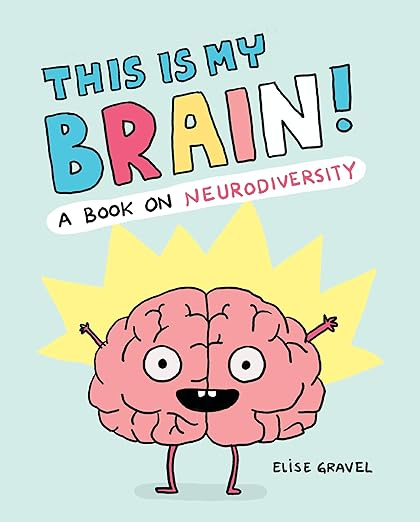
This Is My Brain!: A Book on Neurodiversity - a seriously funny book all about our brains! Award-winning author-illustrator Elise Gravel celebrates the many wonderful ways humans think in a comic-style nonfiction book for curious kids.
Acclaimed creator Elise Gravel (Killer Underwear Invasion!, Olga and the Smelly Thing from Nowhere, and many more) uses her trademark humour and punchy art to explore the fascinating human brain.
Though all our brains look the same, every brain works differently. This Is My Brain! shows readers that understanding how different brains feel and learn can help us connect with others... and keep our own brains happy! Through humorous, engaging text and brightly coloured art, readers are introduced to the fundamentals of how our brains work, how our unique neurology influences how we think and act, and how the world is a better place when we understand each other’s brains and use them collectively.
For more book suggestions on a range of topics, please visit our Headstart Wellbeing Book Club
This week's Headstart highlight!
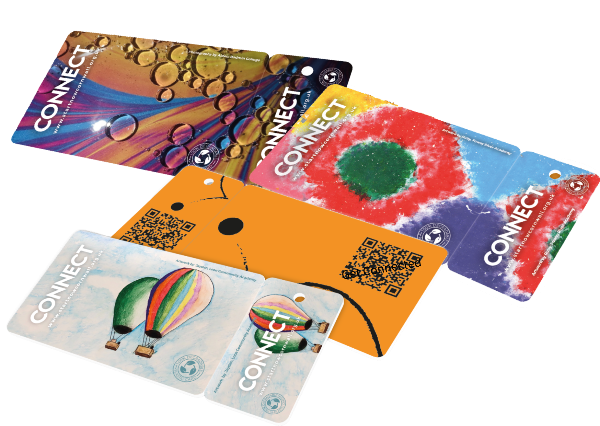
Connect Card - Headstart Kernow
The Headstart Kernow Connect Card offers young people access to opportunities and support across Cornwall. It also helps link young people to local services, activities and wellbeing support. The card is free to order and easy to sign up for, making it a simple way to access additional opportunities and benefits.
Find out more about the Connect Card and how to order a free card here.
Headstart’s Digital Resilience Resource of the Week
Spotlighting our digital resources, we would like to highlight the Digital Resilience Quick Start Guide. This resource is designed for anyone who may be unsure where to begin with digital resilience, or how to navigate the range of Headstart Digital Resilience resources.
The guide offers practical tips to help you get started, alongside key principles of digital resilience and clear signposting to further information and support.
https://www.headstartkernow.org.uk/digital-resilience-guidance/
FREE!! Last Chance to Order Transition Mission Resources
Transition Mission is a supportive resource from Headstart Kernow designed to help children and young people navigate key transitions, such as moving to secondary school. The materials focus on building confidence, emotional understanding and practical coping strategies, making them useful for use in classrooms, small groups or at home. Schools and settings can also order Transition Mission resources free of charge through the Headstart Kernow resource ordering page.
Find out more about Transition Mission
and how to order free resources here.

Understanding Brain Science – Start Now Cornwall
Start Now Cornwall’s Brain Science resources explore how the brain develops and responds to experiences, helping to build understanding of behaviour, emotions and learning. The content offers accessible, practical information that can support approaches across schools, services and families, particularly when thinking about regulation, relationships and how best to support children and young people.
Find out more about Start Now Cornwall’s brain science resources here.

Upcoming Webinar - Supporting Neurodivergent Children (Pooky Knightsmith)
Pooky Knightsmith is hosting an upcoming webinar focused on understanding and supporting neurodivergent children and young people. The session will explore practical, compassionate approaches grounded in lived experience and evidence, offering insights that are relevant for education professionals, parents and carers.
Find out more about the webinar and how to book your place here.
Parent Transition Workshops - MHST
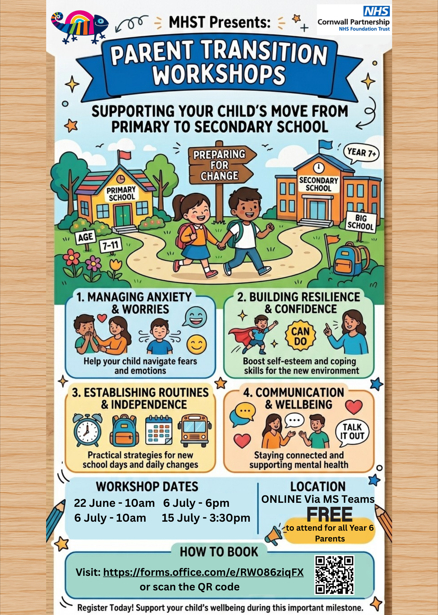
MHST is offering a series of free Parent Transition Workshops to support children moving from primary to secondary school. The sessions cover key areas such as managing anxiety, building resilience and confidence, establishing routines, and supporting communication and wellbeing, helping parents feel more prepared for this important transition. Online sessions are available across July and are open to parents of children entering Year 7.
Find out more about the Parent Transition Workshops and how to book here.
Talk Relationships - NSPCC Learning
NSPCC Learning has designed a new, free on-demand school leaders’ webinar from the NSPCC’s Talk Relationships service. The hour-long webinar covers: what a whole-school approach is; creating a culture of safety and respect in schools; and what’s new in Talk Relationships. The Talk Relationships elearning course for teachers has also been updated. The training covers everything teachers need to confidently prepare and deliver sex and relationships education.
Find out more: Talk Relationships
Access the training: Talk Relationships: delivering sex and relationships education training
Keeping Teenagers Safe Online - Bit Defender
Online safety guidance tends to group all under-18s together, which means it's often too broad to be genuinely useful, especially with teenagers.
Younger children may accept boundaries set by adults without much pushback. Adolescents are different. As they develop their own sense of agency, well-intentioned advice from parents and teachers can quickly become background noise. Getting teenagers to follow online safety guidance is one challenge; getting them to internalise it is quite another.
Bitdefender has published some practical thinking on how to approach this with teenagers specifically. Find out more by following the link below:
https://www.bitdefender.com/en-us/blog/hotforsecurity/how-to-keep-teens-safe-online

Mental Health Webinars - Charlie Waller Trust
The Charlie Waller Trust offers a programme of free and low‑cost mental health webinars for education professionals, parents and carers. The sessions cover a range of topics related to children and young people’s mental health, with a focus on practical understanding, early support and building confidence in having supportive conversations.
Find out more about the Charlie Waller Trust’s mental health webinars here.
Action for Happiness Calendar
The Action for Happiness calendar offers simple, daily prompts designed to support wellbeing through small, positive actions. Each month focuses on an accessible theme, encouraging kindness, connection and reflection in everyday life, making it easy to dip into at school, at home or personally.
Find out more about the Action for Happiness calendar and how to use it here.

World Wellbeing Week Resources - Mates in Mind
Mates in Mind has shared a range of resources to support World Wellbeing Week (24–30 June), focusing on promoting positive mental health and wellbeing in workplaces and communities. The materials include practical tools, conversation starters and ideas to help organisations recognise and support wellbeing in meaningful, accessible ways.
Find out more about World Wellbeing Week resources from Mates in Mind here.

Download our updated Creative Education membership information fliers with access links for:
Stay in touch: Check out our training and other support and sign up for the occasional newsletter.
And follow us on our page on the Services for Schools platform.