Cornwall Schools’ Wellbeing Hub Newsletter 26th March 2026
Thursday 26th March 2026
Welcome to the Wellbeing Newsletter
The recent CAPH conference, Transforming Inclusion, featured an insightful keynote from Mohamed Abdallah of the Reach Foundation titled “What if Belonging Is Only 50% of the Answer?” His message was both timely given the prominence of the term “belonging” in the White Paper and compelling.
Abdallah highlighted that a sense of belonging alone may not close the engagement gap or improve attendance. While pupils may report feeling “institutional belonging,” many still lack a sense of individual significance, as reflected in findings from the DfE Pupil Experience 2025 report. He argued that this concept of “mattering” deserves equal attention.
“Mattering” has increasingly featured in my own reading and research on belonging. I was already familiar with Abdallah’s work through his blog, and Dr Lisa Cherry has also written thoughtfully on the relationship between belonging and mattering.
Importantly, mattering is not a replacement for belonging or the next educational buzzword. Rather, it deepens our understanding of what true belonging requires. It encourages us to move beyond slogans, mottos, or uniform policies, and beyond simply telling pupils “you belong.”
Books of the Week
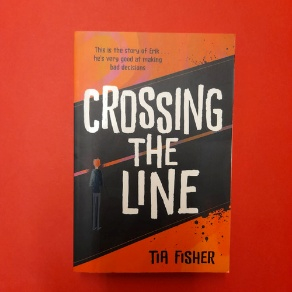
Crossing the Line by Tia Fisher
Mohamed Abdallah’s presentation included a striking quote from Lee Dema:
“There are young men literally dying to be someone or something, anything but no-one and nothing.”
This immediately brought Crossing the Line to mind.
This verse novel offers a powerful exploration of how teenagers can be drawn into county lines activity. Erik’s life begins to unravel after his father’s death, and as pressures mount, he is pulled into a dangerous world of drug dealing, violence, and coercion. What starts as a small favour quickly escalates into serious debt, placing both him and his sisters at risk.
The book is compelling, urgent, and deeply affecting. It illustrates how easily a young person can be groomed, how frightening the experience is, and how difficult it can be to escape. Its format and vivid storytelling make it highly accessible, while its themes offer important opportunities for discussion. The inclusion of support organisations and discussion prompts further strengthens its value.
Due to its dark themes, strong language, and violent scenes, this book may resonate with young people in ways that traditional safety messages cannot. It is also highly recommended reading for parents and carers.
This week's Headstart highlight!
Ordinary Magic - Everyday Actions That Build Resilience
Ann Masten describes resilience as “ordinary magic” the everyday relationships, environments and opportunities that help children feel safe, connected and able to explore the world. In schools, supporting wellbeing can feel overwhelming, but many of the most impactful actions are small, human and completely ordinary.
Examples of “ordinary magic” in practice include greeting pupils warmly, listening with genuine interest, offering encouragement, celebrating small successes, and creating welcoming spaces with clear boundaries. These small moments help children feel seen, valued and safe. The foundations of belonging and resilience.
This is why wellbeing works best as a whole‑school approach where everybody plays a part. Professor Sir Tim Brighouse captured this beautifully in his well‑known “20 Things Teachers Do”, a list full of simple daily interactions that strengthen relationships and help children thrive.
Read more about Ordinary Magic

Worth-it Wellbeing Resource Hub
The Worth-it Wellbeing Resource Hub brings together a wide range of free guides, activities and mental health resources to support children and young people. These include practical tools for explaining resilience, wellbeing activity booklets, a school wellbeing leaflet, a mental health poster, and the Wellbeing Ambassadors Impact Report. There is also free access to the Worth-it Coach Training Prospectus and the full freebie archive through the Wellbeing Academy.
Explore the Worth-it wellbeing resources

How School Governance Shapes Conditions for Pupils to Thrive – Place2Be
The National Governance Association explores how governors and trustees can make a meaningful difference to pupil mental health and inclusion. While wellbeing is often seen as a classroom responsibility, the blog highlights the strategic influence governing boards have in shaping culture, priorities and policy across a school or trust.
Governance decisions affect everything from attendance and behaviour approaches to how early needs are identified and supported. By asking the right questions, reviewing patterns such as absence, exclusion or unmet need, and ensuring policies work for all pupils, boards help create environments where children feel safe, understood and able to succeed.
The NGA also emphasises the role of strong relationships between leaders and boards, thoughtful use of policies, attention to pupil voice, and connections beyond the school gate, including families and community partners.
Read more about how governance supports pupil wellbeing
What to Do When a Child Is Being Bullied - Kidscape
Bullying can be hard for children to talk about and equally hard for adults to navigate. This guidance explains what bullying is: behaviour that is intended to hurt, repeated, and where there is a power imbalance. It also offers eight clear steps for supporting a child who is being targeted.
Key actions include reassuring the child, recording what is happening, planning next steps together, acting quickly, ensuring safety, keeping thorough records, offering longer term support, and reflecting on what the school can learn from each incident to prevent future harm.
Read more advice for dealing with bullying
Article of the Week – Child Rights Teaching Packs
UNICEF’s Article of the Week resources offer simple, ready‑to‑use activities to help children and young people learn about their rights through the UN Convention on the Rights of the Child. Each pack focuses on a specific article or theme and can be used flexibly in class, assemblies or group work.
Current packs include a new War and Conflict resource (available in English and Welsh), plus a full collection linked to key themes, international days and curriculum topics. These materials support rights‑based discussions in a safe, age‑appropriate way and can be used throughout the year.
Explore Article of the Week resources
When School Feels Impossible – Webinar with Dr Pooky Knightsmith
This live online session explores why some children struggle to attend school and what adults can do to support them without adding pressure or shame. Dr Pooky Knightsmith shares practical strategies for understanding the root causes of school avoidance, recognising progress beyond attendance, and building stronger partnerships between home and school. The webinar also covers common unmet needs, how to break the “can’t vs won’t” cycle, and what recovery truly looks like for each child.
The session takes place on Wednesday 25 March 2026 at 7pm, with 45 minutes of taught content followed by an extended live Q&A. All registered attendees receive the recording of the taught section.
Find out more about the When School Feels Impossible webinar
Lunch and Learn Webinar: What About Us? – Pooky Knightssmith
This session introduces What About Us? a new resource created by the Lucy Faithfull Foundation to support teenagers who are affected by the arrest of a family member for online sexual harm. The webinar also offers an overview of Shore, their anonymous website and live‑chat service for young people who are worried about sexual behaviours.
The resource includes:
- A short animation sharing the real experience of a young person navigating a parent’s arrest
- A co‑written workbook with creative exercises, coping strategies and space for reflection
- A parent guide to help caregivers support children with honesty, empathy and reassurance
Schools, social workers and safeguarding professionals are encouraged to join the session and learn how to best support affected young people and families.
Learn more about the What About Us? webinar

Targeted Support Guidance for Schools and Colleges
Anna Freud has developed a set of resources to help schools and colleges review, plan and embed targeted support for children and young people who need additional, tailored help. Created in partnership with the Department for Education, the guidance is designed for anyone supporting mental health and wellbeing in an education setting.
Alongside whole‑school approaches, targeted support can make a real difference for individuals or groups who need the right help at the right time. The resources include a range of evidence‑based programmes and interventions that you can explore and use within your setting.
Explore targeted support guidance now

Empathy Day Festival 2026 – Free Toolkit Now Available
The free Empathy Day Festival (4–11 June) is coming up, and you can now access a digital toolkit to help you plan exciting activities in your school, library, bookshop or community setting.
Simply register to take part and the toolkit will be sent straight to you.
This year’s festival celebrates the power of stories to build connection, understanding and wellbeing. The programme features an incredible line‑up of authors and illustrators available on demand, including Michael Rosen, Julia Donaldson, Tom Percival, Patrice Lawrence, SF Said, Rob Biddulph, Rachel Bright, Chante Timothy and Nathanael Lessore plus assemblies in Welsh and English with graphic novelist Huw Aaron.
Grab your Empathy Day Festival toolkit now
Digital Resilience Spotlight Series
Continuing with our series spotlighting the resources to help you support children and young people to navigate the issues they face in the digital world, today we want to let you know about our Sexting Safeguarding Training. This training is delivered by Andy Phippen, Professor of Digital Rights and Louisa Street, Youth worker and PhD student. The training helps professionals deal with safeguarding issues linked to sending nudes or ‘sexting’. It covers the law governing youth sexual image sharing, the problems associated with using scare tactics, and the best way to respond to aggravated sexting incidents using the harm reduction approach. We’ve recently confirmed new dates for the next 12 months, which are all available to book now.
Have you joined the Headstart Kernow Creative Education membership yet?
Sign up here: www.headstartkernow.org.uk/creative-education/
Download our updated Creative Education membership information fliers with access links for:

Stay in touch: Check out our training and other support and sign up for the occasional newsletter.
And follow us on our page on the Services for Schools platform.